FROM THEATRE TO TELEVISION:
A HISTORICAL TIMELINE OF DRAG
Drag has existed for centuries, what started out as a theatrical performance has now been transformed into a cultural, political, and artistic movement. Its history brushes upon subtopics such as performance art, gender expression, activism, and LGBTQ+ advocacy. Here is a historical timeline tracing how drag has transformed across the decades.
During the 16th to 19th century, the term ‘drag’ had not yet been coined but were mere theatre performances where a male would roleplay as a female character. This was the case in Elizabeth England as women were banned from performing which forced men to play female roles with skirts that would ‘drag’ on the floor.
On the other side of the world, Chinese opera and Kabuki theatre in China and Japan had male actors perform women’s roles that developed stylized femininity which influenced future drag aesthetics such as costuming and makeup.
During this period, drag was simply a theatrical performance – not something tied to queer identity but was pivotal in paving the foundation of gender performance in being considered as an art form.
Known as the Vaudeville & Underground Performance Era, drag slowly gained popularity in the United States and United Kingdom through vaudeville and music hall stages where performers such as Julian Eltinge rose to mainstream fame for female impersonation.
This was also a time when LGBTQ+ communities formed underground networks in cities such as New York, Berlin, and Paris.
Also known as the Jazz Age, drag performers flourished in nightclubs, speakeasies, and cabarets. American cities such as New York, Chicago, and San Francisco featured openly queer performances but it was in the Upper Manhattan neighborhood of Harlem where drag balls grew in popularity.
By the late 1930s, United States crackdowns on ‘cross-dressing’ pushed drag back into the underground world.
During the Second World War, drag appeared informally in military ‘camp shows’ to entertain soldiers and boost morale where some of the men would play female roles. This was all with cross-dressing laws being strictly enforced at the time.
After WWII, governments worldwide enforced stricter gender codes. From the late 1940s and throughout the 1950s, queer bars were frequently raided and drag performers risked getting arrested for ‘masquerading’. Despite this, drag continued to thrive underground in cities such as New York, San Francisco, and Paris.
This era also gave rise to the Mattachine Society and early LGBTQ+ activists that began to advocate for their rights which set the stage for change.
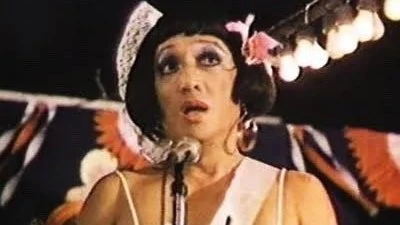
The 1970s were known as drag’s publicity era. It became more visible in gay pride marches and nightlife while still retaining its theatre roots. Groups like The Cockettes in San Francisco and drag pageants like Miss Gay America embraced glitter, surrealism, and gender anarchy. Glam rock icons such as David Bowie and Freddie Mercury also helped in influencing drag aesthetics beyond queer spaces.
In popular culture, the 1990 film ‘Paris is Burning’ documented the essence of drag culture in the 1980s and RuPaul, the founder of RuPaul’s Drag Race, became an international star in 1993 through the song ‘Supermodel (You Better Work)’. Drag was now a recognized art form, though it was still stigmatized in many places around the world.
Image Source: ABS-CBN, Ang Tatay Kong Nanay (1978)
ORIGINS
EARLY 1900s
1920s TO 1930s
PRE-20TH CENTURY
WW2
POST WAR
1960s
1970s
1980s
1990s
2000s
Origins
Pre-20th Century
Early 1900s
1920s to 1930s
WW2
Post-War
1970s
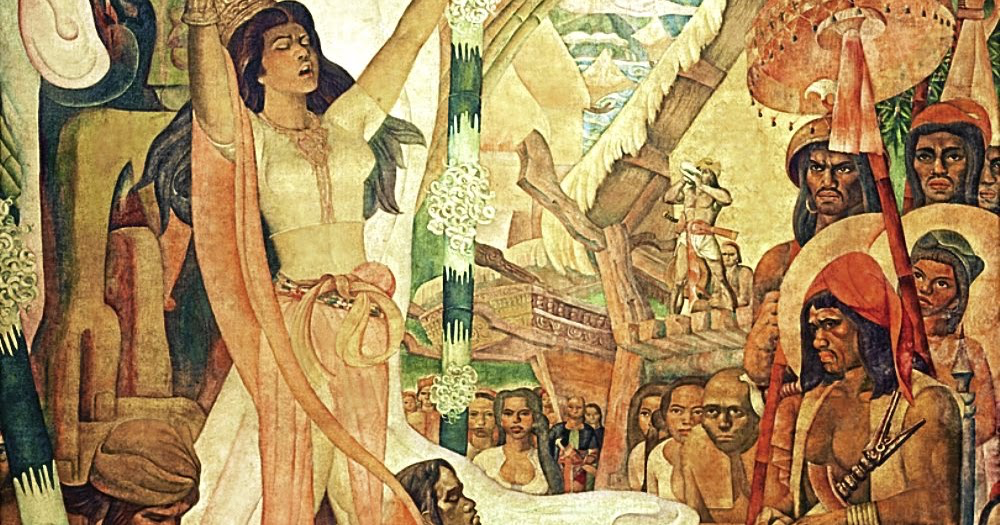
Image Source: Pinterest
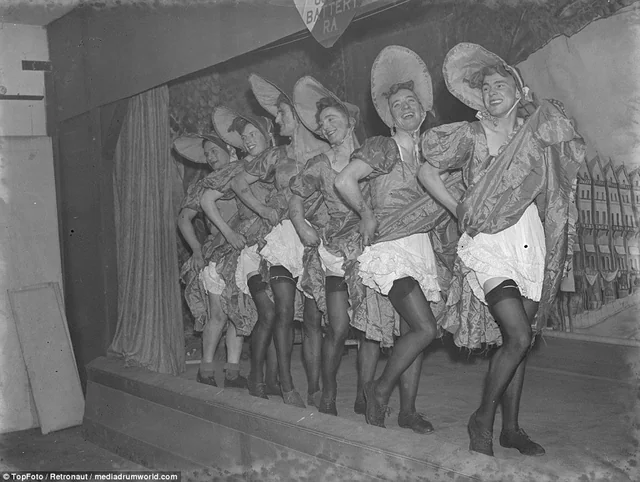
Image Source: The Telegraph
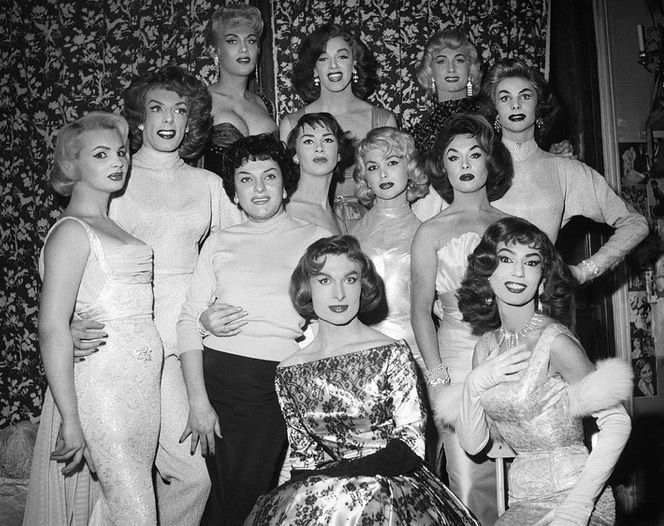
Image Source: Bird In Flight
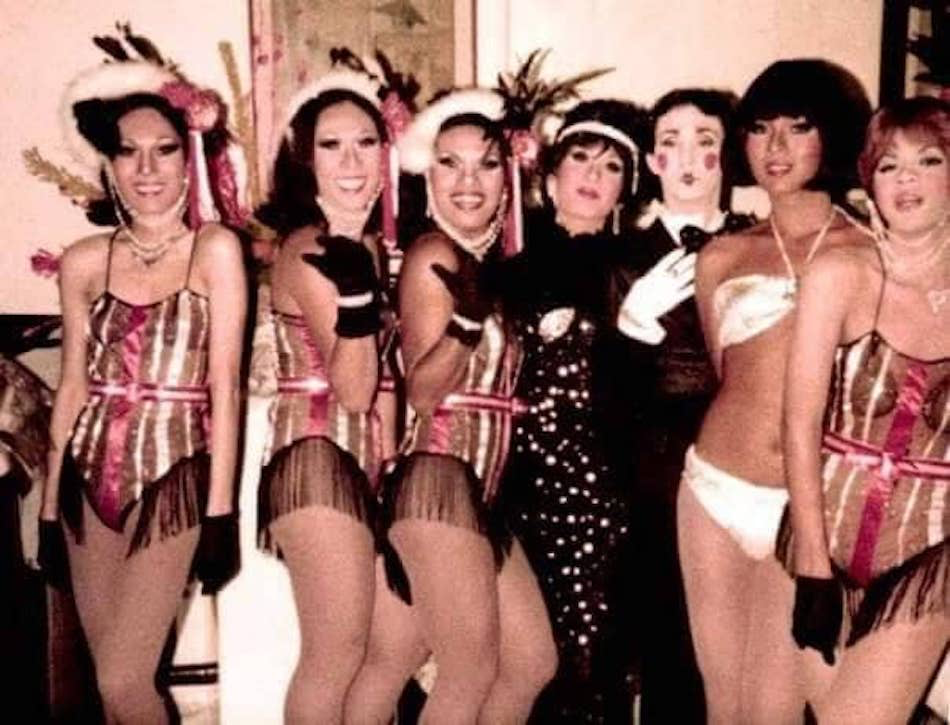
Image Source: ABS-CBN, The Paper Dolls
1960s
1980s
This period became known as the Civil Rights, Liberation, and Stonewall era where drag queens and transgender women played critical roles in the 1969 Stonewall Uprising, most notably Sylvia Rivera and Marsha P. Johnson.
The 80s saw Black and Latino ballroom housing popularize voguing, categories, and chosen-family structures. This was also the height of the AIDS epidemic which allowed queens to raise funds, bring visibility, and solidarity to the community.
1990s
Image Source: GoGetFunding, Golden Gays
2000s
2010s
Conclusion
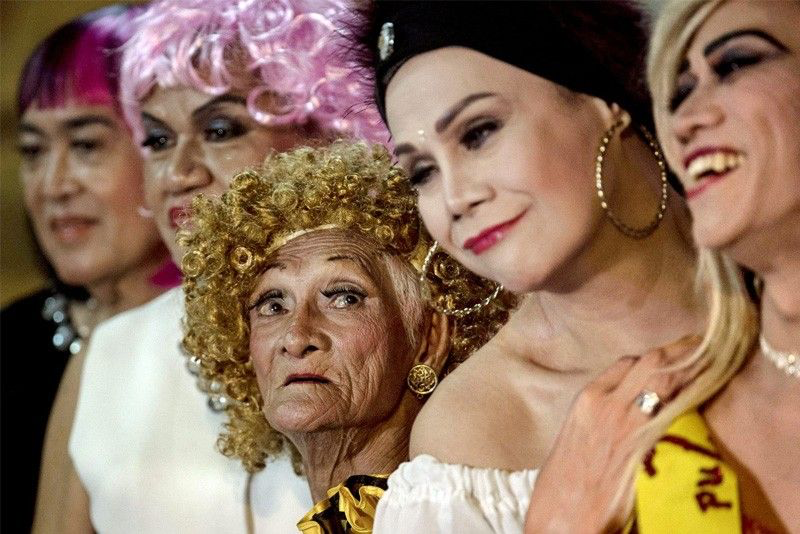
Image Source: South China Morning Post
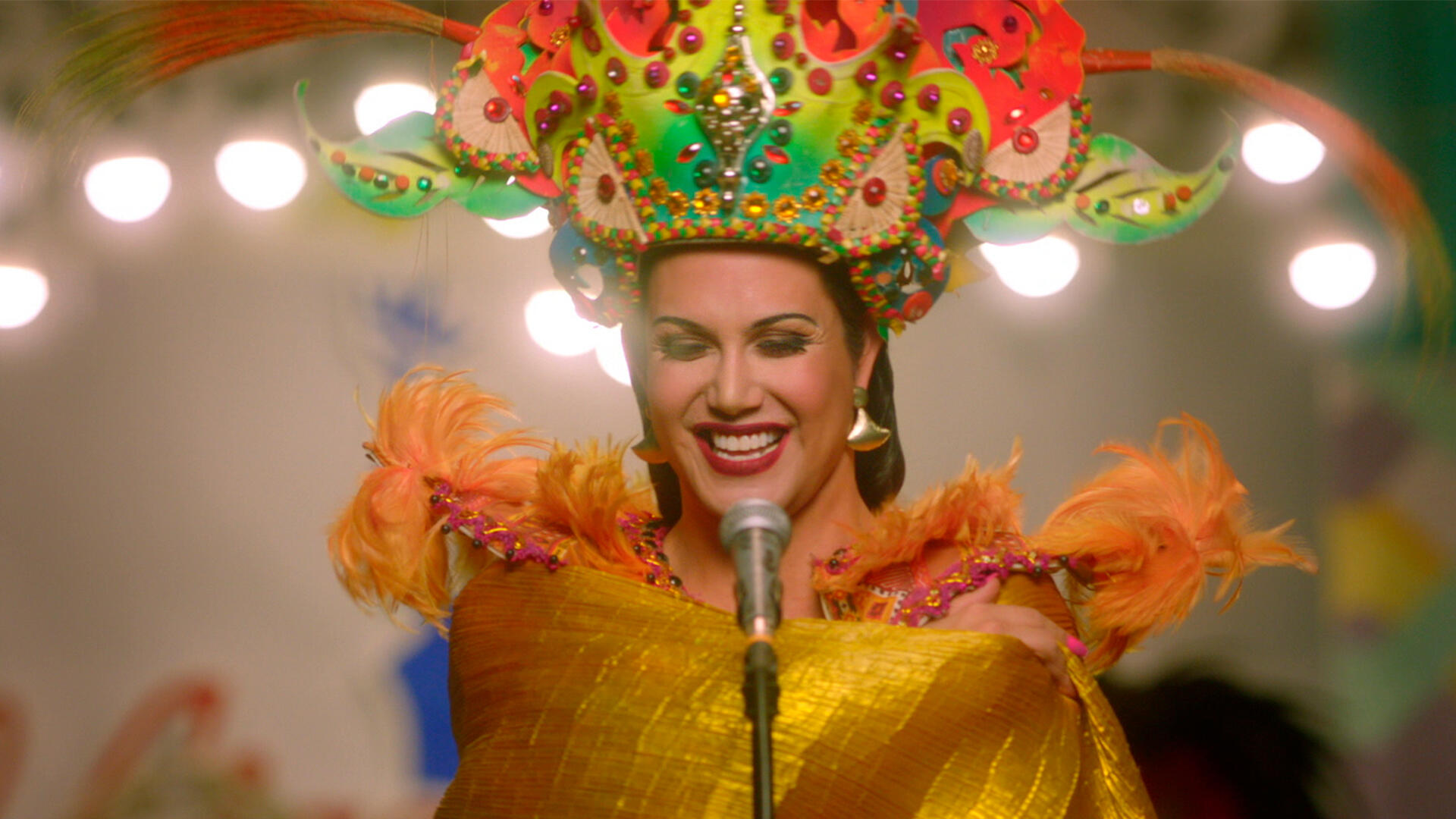
Image Source: Instagram, Die Beautuful (2016)
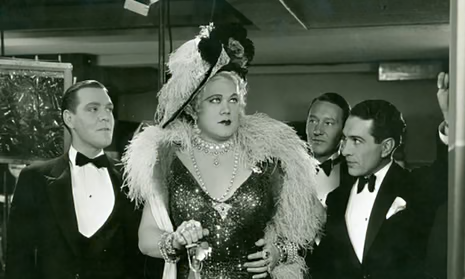
Image Source: The Pink News
The dawn of the 21st century saw a rapid globalization and digitization of the world. This helped drag scenes expand in other continents outside of North America such as Asia, Latin America, and Europe.
The birth of online forums and early social media helped drag artists share looks, tutorials, and performances which also helped drag kings gain visibility which challenged the assumption that drag was only men performing femininity.
This era was known as the Drag Renaissance starting off with the boom of RuPaul’s Drag Race’s popularity in 2010 which allowed drag to become mainstream entertainment with help from YouTube and Netflix which catered to larger audiences.
Subgenres of drag started to emerge such as glam drag, alternative or monster drag, art drag, and comedy drag. It also saw the rise of using drag as a platform for LGBTQ+ rights, HIV awareness, and intersectionality activism.
From medieval theatres to mainstream global entertainment, drag has and still continues to evolve. It reflects society’s understanding of gender, identity, and expression throughout history and remains a vibrant form of resistance, creativity, and community.
Words by Sean Wong
2020s
The 2020s started off with the COVID-19 pandemic which allowed digital drag shows to emerge on Zoom, TikTok, and Instagram. This helped drag spread further across Asia - most notably in the Philippines which gained international attention through drag bars, Drag Den, and Drag Race Philippines.
In the United States and parts of Europe, drag became a political battleground due to the rise of anti-LGBTQ+ laws. Modern-day social media has allowed drag to continuously evolve despite the backlash which is the case in the present day.


Words by Sean Wong
Images by Jannah Ricafort

FROM THEATRE TO TELEVISION:
A HISTORICAL TIMELINE OF DRAG
Drag has existed for centuries, what started out as a theatrical performance has now been transformed into a cultural, political, and artistic movement. Its history brushes upon subtopics such as performance art, gender expression, activism, and LGBTQ+ advocacy. Here is a historical timeline tracing how drag has transformed across the decades.
During the 16th to 19th century, the term ‘drag’ had not yet been coined but were mere theatre performances where a male would roleplay as a female character. This was the case in Elizabeth England as women were banned from performing which forced men to play female roles with skirts that would ‘drag’ on the floor.
On the other side of the world, Chinese opera and Kabuki theatre in China and Japan had male actors perform women’s roles that developed stylized femininity which influenced future drag aesthetics such as costuming and makeup.
During this period, drag was simply a theatrical performance – not something tied to queer identity but was pivotal in paving the foundation of gender performance in being considered as an art form.
Known as the Vaudeville & Underground Performance Era, drag slowly gained popularity in the United States and United Kingdom through vaudeville and music hall stages where performers such as Julian Eltinge rose to mainstream fame for female impersonation.
This was also a time when LGBTQ+ communities formed underground networks in cities such as New York, Berlin, and Paris.
Also known as the Jazz Age, drag performers flourished in nightclubs, speakeasies, and cabarets. American cities such as New York, Chicago, and San Francisco featured openly queer performances but it was in the Upper Manhattan neighborhood of Harlem where drag balls grew in popularity.
By the late 1930s, United States crackdowns on ‘cross-dressing’ pushed drag back into the underground world.
During the Second World War, drag appeared informally in military ‘camp shows’ to entertain soldiers and boost morale where some of the men would play female roles. This was all with cross-dressing laws being strictly enforced at the time.
After WWII, governments worldwide enforced stricter gender codes. From the late 1940s and throughout the 1950s, queer bars were frequently raided and drag performers risked getting arrested for ‘masquerading’. Despite this, drag continued to thrive underground in cities such as New York, San Francisco, and Paris.
This era also gave rise to the Mattachine Society and early LGBTQ+ activists that began to advocate for their rights which set the stage for change.
The 1970s were known as drag’s publicity era. It became more visible in gay pride marches and nightlife while still retaining its theatre roots. Groups like The Cockettes in San Francisco and drag pageants like Miss Gay America embraced glitter, surrealism, and gender anarchy. Glam rock icons such as David Bowie and Freddie Mercury also helped in influencing drag aesthetics beyond queer spaces.
In popular culture, the 1990 film ‘Paris is Burning’ documented the essence of drag culture in the 1980s and RuPaul, the founder of RuPaul’s Drag Race, became an international star in 1993 through the song ‘Supermodel (You Better Work)’. Drag was now a recognized art form, though it was still stigmatized in many places around the world.
Image Source: ABS-CBN, Ang Tatay Kong Nanay (1978)
ORIGINS
EARLY 1900s
1920s TO 1930s
PRE-20TH CENTURY
WW2
POST WAR
1960s
1970s
1980s
1990s
2000s
Origins
Pre-20th Century
Early 1900s
1920s to 1930s
WW2
Post-War
1970s
Image Source: Pinterest
Image Source: The Telegraph
Image Source: Bird In Flight
Image Source: ABS-CBN, The Paper Dolls
1960s
1980s
This period became known as the Civil Rights, Liberation, and Stonewall era where drag queens and transgender women played critical roles in the 1969 Stonewall Uprising, most notably Sylvia Rivera and Marsha P. Johnson.
The 80s saw Black and Latino ballroom housing popularize voguing, categories, and chosen-family structures. This was also the height of the AIDS epidemic which allowed queens to raise funds, bring visibility, and solidarity to the community.
1990s
Image Source: GoGetFunding, Golden Gays
2000s
2010s
Conclusion
Image Source: South China Morning Post
Image Source: Instagram, Die Beautuful (2016)
Image Source: The Pink News
The dawn of the 21st century saw a rapid globalization and digitization of the world. This helped drag scenes expand in other continents outside of North America such as Asia, Latin America, and Europe.
The birth of online forums and early social media helped drag artists share looks, tutorials, and performances which also helped drag kings gain visibility which challenged the assumption that drag was only men performing femininity.
This era was known as the Drag Renaissance starting off with the boom of RuPaul’s Drag Race’s popularity in 2010 which allowed drag to become mainstream entertainment with help from YouTube and Netflix which catered to larger audiences.
Subgenres of drag started to emerge such as glam drag, alternative or monster drag, art drag, and comedy drag. It also saw the rise of using drag as a platform for LGBTQ+ rights, HIV awareness, and intersectionality activism.
From medieval theatres to mainstream global entertainment, drag has and still continues to evolve. It reflects society’s understanding of gender, identity, and expression throughout history and remains a vibrant form of resistance, creativity, and community.
Words by Sean Wong
2020s
The 2020s started off with the COVID-19 pandemic which allowed digital drag shows to emerge on Zoom, TikTok, and Instagram. This helped drag spread further across Asia - most notably in the Philippines which gained international attention through drag bars, Drag Den, and Drag Race Philippines.
In the United States and parts of Europe, drag became a political battleground due to the rise of anti-LGBTQ+ laws. Modern-day social media has allowed drag to continuously evolve despite the backlash which is the case in the present day.
Words by Sean Wong
Images by Jannah Ricafort


FROM THEATRE TO TELEVISION:
A HISTORICAL TIMELINE OF DRAG
Drag has existed for centuries, what started out as a theatrical performance has now been transformed into a cultural, political, and artistic movement. Its history brushes upon subtopics such as performance art, gender expression, activism, and LGBTQ+ advocacy. Here is a historical timeline tracing how drag has transformed across the decades.
During the 16th to 19th century, the term ‘drag’ had not yet been coined but were mere theatre performances where a male would roleplay as a female character. This was the case in Elizabeth England as women were banned from performing which forced men to play female roles with skirts that would ‘drag’ on the floor.
On the other side of the world, Chinese opera and Kabuki theatre in China and Japan had male actors perform women’s roles that developed stylized femininity which influenced future drag aesthetics such as costuming and makeup.
During this period, drag was simply a theatrical performance – not something tied to queer identity but was pivotal in paving the foundation of gender performance in being considered as an art form.
Known as the Vaudeville & Underground Performance Era, drag slowly gained popularity in the United States and United Kingdom through vaudeville and music hall stages where performers such as Julian Eltinge rose to mainstream fame for female impersonation.
This was also a time when LGBTQ+ communities formed underground networks in cities such as New York, Berlin, and Paris.
Also known as the Jazz Age, drag performers flourished in nightclubs, speakeasies, and cabarets. American cities such as New York, Chicago, and San Francisco featured openly queer performances but it was in the Upper Manhattan neighborhood of Harlem where drag balls grew in popularity.
By the late 1930s, United States crackdowns on ‘cross-dressing’ pushed drag back into the underground world.
During the Second World War, drag appeared informally in military ‘camp shows’ to entertain soldiers and boost morale where some of the men would play female roles. This was all with cross-dressing laws being strictly enforced at the time.
After WWII, governments worldwide enforced stricter gender codes. From the late 1940s and throughout the 1950s, queer bars were frequently raided and drag performers risked getting arrested for ‘masquerading’. Despite this, drag continued to thrive underground in cities such as New York, San Francisco, and Paris.
This era also gave rise to the Mattachine Society and early LGBTQ+ activists that began to advocate for their rights which set the stage for change.
The 1970s were known as drag’s publicity era. It became more visible in gay pride marches and nightlife while still retaining its theatre roots. Groups like The Cockettes in San Francisco and drag pageants like Miss Gay America embraced glitter, surrealism, and gender anarchy. Glam rock icons such as David Bowie and Freddie Mercury also helped in influencing drag aesthetics beyond queer spaces.
In popular culture, the 1990 film ‘Paris is Burning’ documented the essence of drag culture in the 1980s and RuPaul, the founder of RuPaul’s Drag Race, became an international star in 1993 through the song ‘Supermodel (You Better Work)’. Drag was now a recognized art form, though it was still stigmatized in many places around the world.
Image Source: ABS-CBN, Ang Tatay Kong Nanay (1978)
ORIGINS
EARLY 1900s
1920s TO 1930s
PRE-20TH CENTURY
WW2
POST WAR
1960s
1970s
1980s
1990s
2000s
Origins
Pre-20th Century
Early 1900s
1920s to 1930s
WW2
Post-War
1970s
Image Source: Pinterest
Image Source: The Telegraph
Image Source: Bird In Flight
Image Source: ABS-CBN, The Paper Dolls
1960s
1980s
This period became known as the Civil Rights, Liberation, and Stonewall era where drag queens and transgender women played critical roles in the 1969 Stonewall Uprising, most notably Sylvia Rivera and Marsha P. Johnson.
The 80s saw Black and Latino ballroom housing popularize voguing, categories, and chosen-family structures. This was also the height of the AIDS epidemic which allowed queens to raise funds, bring visibility, and solidarity to the community.
1990s
Image Source: GoGetFunding, Golden Gays
2000s
2010s
Conclusion
Image Source: South China Morning Post
Image Source: Instagram, Die Beautuful (2016)
Image Source: The Pink News
The dawn of the 21st century saw a rapid globalization and digitization of the world. This helped drag scenes expand in other continents outside of North America such as Asia, Latin America, and Europe.
The birth of online forums and early social media helped drag artists share looks, tutorials, and performances which also helped drag kings gain visibility which challenged the assumption that drag was only men performing femininity.
This era was known as the Drag Renaissance starting off with the boom of RuPaul’s Drag Race’s popularity in 2010 which allowed drag to become mainstream entertainment with help from YouTube and Netflix which catered to larger audiences.
Subgenres of drag started to emerge such as glam drag, alternative or monster drag, art drag, and comedy drag. It also saw the rise of using drag as a platform for LGBTQ+ rights, HIV awareness, and intersectionality activism.
From medieval theatres to mainstream global entertainment, drag has and still continues to evolve. It reflects society’s understanding of gender, identity, and expression throughout history and remains a vibrant form of resistance, creativity, and community.
2020s
The 2020s started off with the COVID-19 pandemic which allowed digital drag shows to emerge on Zoom, TikTok, and Instagram. This helped drag spread further across Asia - most notably in the Philippines which gained international attention through drag bars, Drag Den, and Drag Race Philippines.
In the United States and parts of Europe, drag became a political battleground due to the rise of anti-LGBTQ+ laws. Modern-day social media has allowed drag to continuously evolve despite the backlash which is the case in the present day.


FROM THEATRE TO TELEVISION:
A HISTORICAL TIMELINE OF DRAG
During the 16th to 19th century, the term ‘drag’ had not yet been coined but were mere theatre performances where a male would roleplay as a female character. This was the case in Elizabeth England as women were banned from performing which forced men to play female roles with skirts that would ‘drag’ on the floor.
On the other side of the world, Chinese opera and Kabuki theatre in China and Japan had male actors perform women’s roles that developed stylized femininity which influenced future drag aesthetics such as costuming and makeup.
During this period, drag was simply a theatrical performance – not something tied to queer identity but was pivotal in paving the foundation of gender performance in being considered as an art form.
Known as the Vaudeville & Underground Performance Era, drag slowly gained popularity in the United States and United Kingdom through vaudeville and music hall stages where performers such as Julian Eltinge rose to mainstream fame for female impersonation.
This was also a time when LGBTQ+ communities formed underground networks in cities such as New York, Berlin, and Paris.
Also known as the Jazz Age, drag performers flourished in nightclubs, speakeasies, and cabarets. American cities such as New York, Chicago, and San Francisco featured openly queer performances but it was in the Upper Manhattan neighborhood of Harlem where drag balls grew in popularity.
By the late 1930s, United States crackdowns on ‘cross-dressing’ pushed drag back into the underground world.
During the Second World War, drag appeared informally in military ‘camp shows’ to entertain soldiers and boost morale where some of the men would play female roles. This was all with cross-dressing laws being strictly enforced at the time.
After WWII, governments worldwide enforced stricter gender codes. From the late 1940s and throughout the 1950s, queer bars were frequently raided and drag performers risked getting arrested for ‘masquerading’. Despite this, drag continued to thrive underground in cities such as New York, San Francisco, and Paris.
This era also gave rise to the Mattachine Society and early LGBTQ+ activists that began to advocate for their rights which set the stage for change.
The 1970s were known as drag’s publicity era. It became more visible in gay pride marches and nightlife while still retaining its theatre roots. Groups like The Cockettes in San Francisco and drag pageants like Miss Gay America embraced glitter, surrealism, and gender anarchy. Glam rock icons such as David Bowie and Freddie Mercury also helped in influencing drag aesthetics beyond queer spaces.
In popular culture, the 1990 film ‘Paris is Burning’ documented the essence of drag culture in the 1980s and RuPaul, the founder of RuPaul’s Drag Race, became an international star in 1993 through the song ‘Supermodel (You Better Work)’. Drag was now a recognized art form, though it was still stigmatized in many places around the world.
Image Source: ABS-CBN, Ang Tatay Kong Nanay (1978)
ORIGINS
EARLY 1900s
1920s TO 1930s
PRE-20TH CENTURY
WW2
POST WAR
1960s
1970s
1980s
1990s
2000s
Origins
Pre-20th Century
Early 1900s
1920s to 1930s
WW2
Post-War
1970s
Image Source: Pinterest
Image Source: The Telegraph
Image Source: Bird In Flight
Image Source: ABS-CBN, The Paper Dolls
1960s
1980s
This period became known as the Civil Rights, Liberation, and Stonewall era where drag queens and transgender women played critical roles in the 1969 Stonewall Uprising, most notably Sylvia Rivera and Marsha P. Johnson.
The 80s saw Black and Latino ballroom housing popularize voguing, categories, and chosen-family structures. This was also the height of the AIDS epidemic which allowed queens to raise funds, bring visibility, and solidarity to the community.
1990s
Image Source: GoGetFunding, Golden Gays
2000s
2010s
Conclusion
Image Source: South China Morning Post
Image Source: Instagram, Die Beautuful (2016)
Image Source: The Pink News
The dawn of the 21st century saw a rapid globalization and digitization of the world. This helped drag scenes expand in other continents outside of North America such as Asia, Latin America, and Europe.
The birth of online forums and early social media helped drag artists share looks, tutorials, and performances which also helped drag kings gain visibility which challenged the assumption that drag was only men performing femininity.
This era was known as the Drag Renaissance starting off with the boom of RuPaul’s Drag Race’s popularity in 2010 which allowed drag to become mainstream entertainment with help from YouTube and Netflix which catered to larger audiences.
Subgenres of drag started to emerge such as glam drag, alternative or monster drag, art drag, and comedy drag. It also saw the rise of using drag as a platform for LGBTQ+ rights, HIV awareness, and intersectionality activism.
From medieval theatres to mainstream global entertainment, drag has and still continues to evolve. It reflects society’s understanding of gender, identity, and expression throughout history and remains a vibrant form of resistance, creativity, and community.
2020s
The 2020s started off with the COVID-19 pandemic which allowed digital drag shows to emerge on Zoom, TikTok, and Instagram. This helped drag spread further across Asia - most notably in the Philippines which gained international attention through drag bars, Drag Den, and Drag Race Philippines.
In the United States and parts of Europe, drag became a political battleground due to the rise of anti-LGBTQ+ laws. Modern-day social media has allowed drag to continuously evolve despite the backlash which is the case in the present day.
Words by Sean Wong
