CURTAIN CALL:
WHAT IT TAKES TO BE A DRAG QUEEN



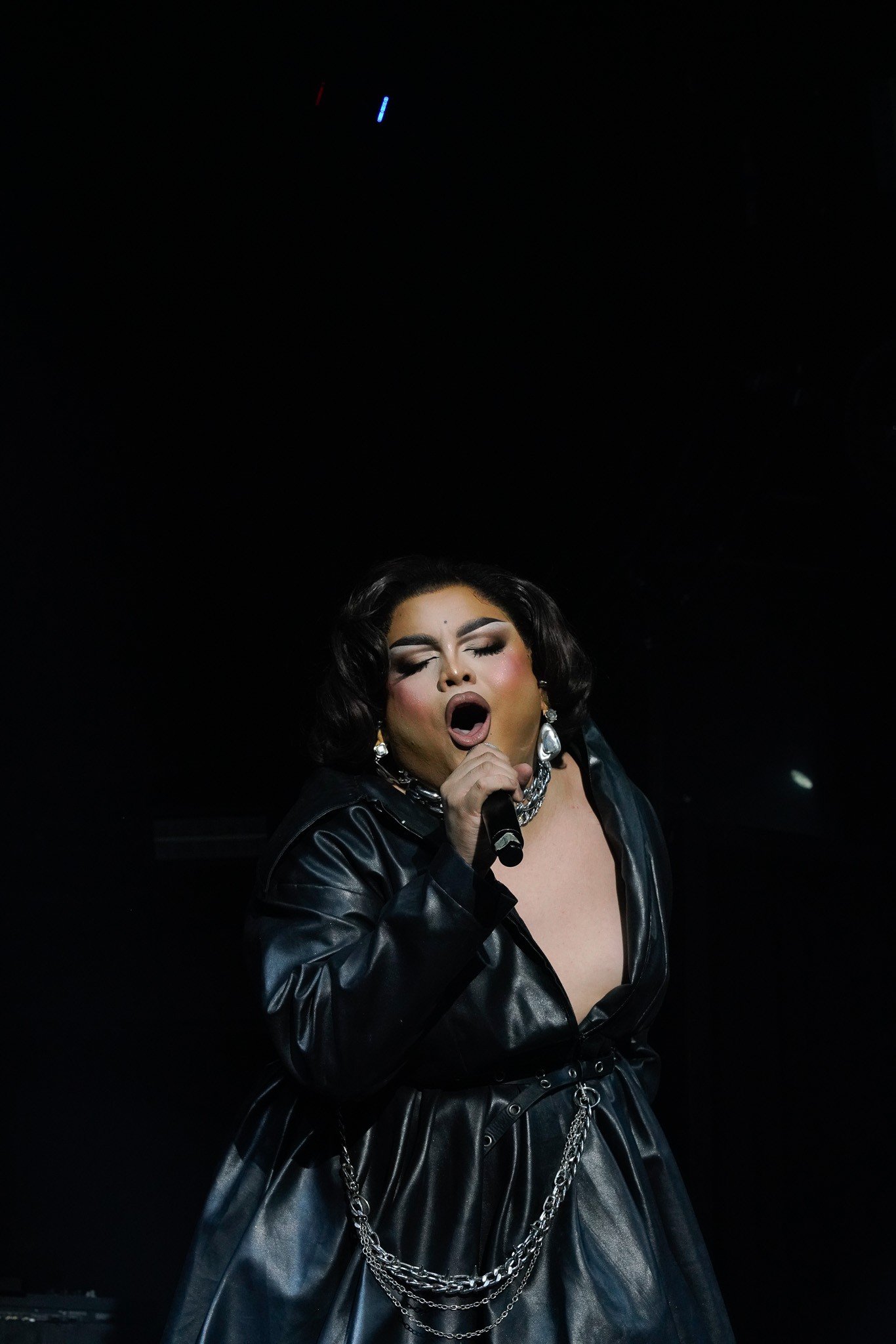

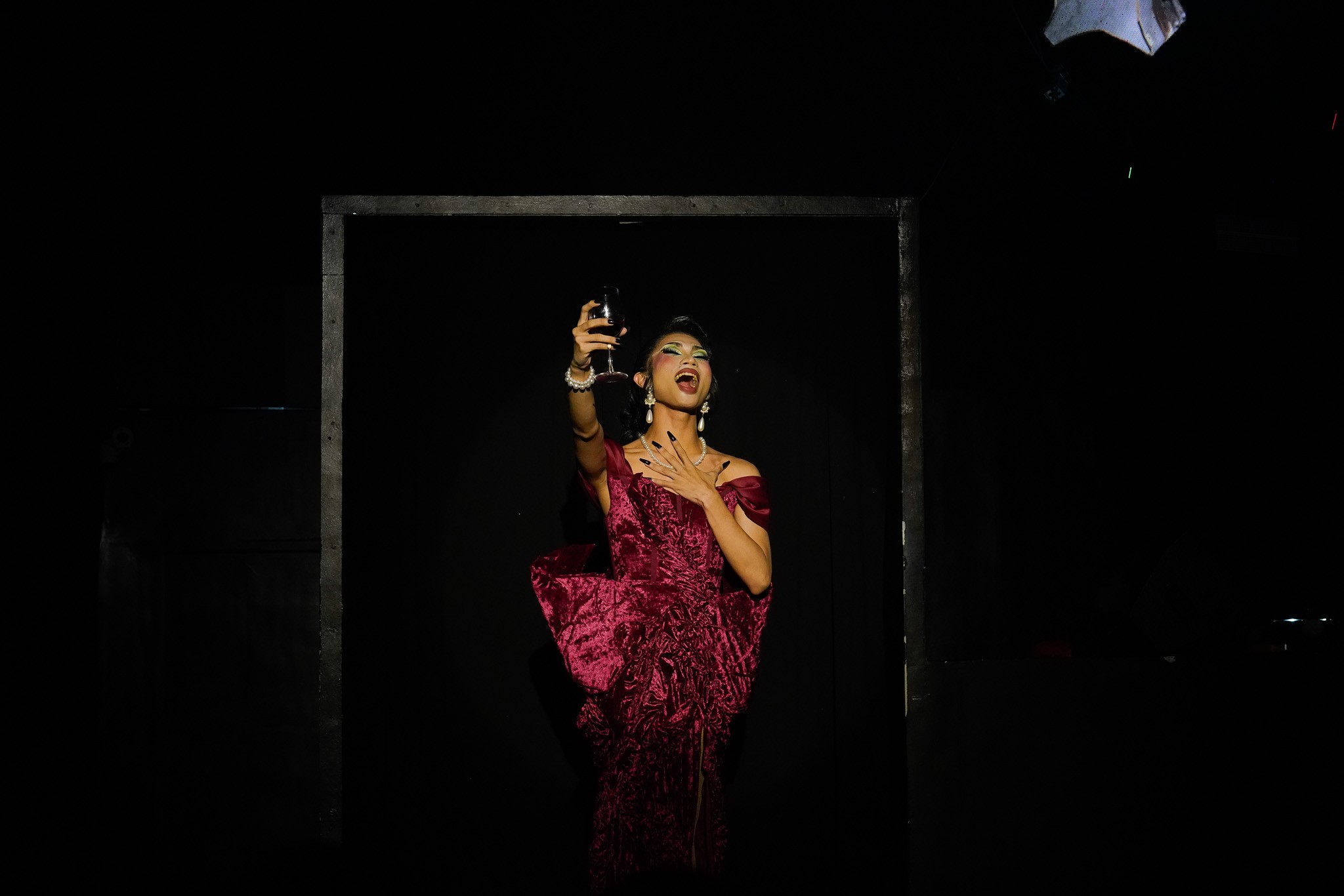
Behind every contestant number, wig, and standing ovation lies a truth that the audience rarely sees: drag is hard work. It is an art form built on creativity, discipline, and courage. While it may look effortless under the bright lights, the journey to stepping on stage is anything but.
To understand what it really takes to be a drag queen, we spoke with four performers - Eliza, Ninja, Kiffy Nicole, and Tiny Deluxe whose experiences reflect the heart and grit behind the glamour. Their stories reveal a shared truth that drag demands not just talent, but commitment, resilience, and a deep love for the craft.
The Core of Drag: More Than a Mantra
Passion: The Fuel That Keeps Them Going
The Truth Behind the Curtain
Words by Sean Wong
Images by Jannah Ricafort
Courage: Spotlight and Scrutiny
Ask any queen about the essentials of drag, and you’ll most likely hear four words: charisma, uniqueness, nerve, and talent.
All four queens mentioned some version of this from Ninja’s straightforward belief that “yun lang, wala nang iba pa” to Tiny Deluxe’s emphasis on guts. Each queen adds their own personal layer beyond the Drag Race mantra.
Across all four interviews, one word rises above the rest: passion.
What does it really take to be a drag queen?
Based on the answers we got, we can say it is love - love for performance, creativity, self-expression, and for the people who make drag possible, both on the stage and behind the scenes.
Their stories remind us that drag is more than just a gimmick. It is an art form carried by dedication, courage, and heart. Every time the curtain rises, each queen proves that this world as difficult as it can be is worth stepping into. Cheers!
Drag is not a hobby for the half-hearted. It requires long nights, financial investment, emotional resilience, and constant reinvention. Costumes need to be made, skills need to be honed, and performances need to be perfected often without guaranteed reward. As Tiny Deluxe says, “It’s not easy… If you want to be a drag queen, you should do it because you love it.”
Drag queens aren’t just performers — they are stylists, comedians, dancers, marketers, costume designers, and storytellers rolled into one package.
For many queens, drag means facing judgment from audiences, strangers, sometimes even family. It means stepping into a persona that amplifies your true self in a world that may not always understand it.
Ninja’s journey reminds us that the boldest step is often the first one - believing you deserve a place in drag while Kiffy’s talks about needing ‘tibay ng loob’ or fortitude because the stage is only part of the battle. The real challenge is enduring the critiques, the pressure, and the expectations.
Drag demands bravery and these queens show us that courage is a skill built through grit, persistence, and resilience.
According to Ninja, “If you say you want to be a drag queen, no one’s gonna stop you but yourself.” She thinks that hesitation, not gender or background, is often the biggest barrier. Drag requires nerve not just to perform, but to start.
Kiffy Nicole reminds us that what looks polished onstage hides hours of preparation, training, and self-doubt. “It takes cunt — charot! — charisma, uniqueness, nerve, and talent. Syempre kailangan rin ng passion and dedication… drag is not an easy career.”
Tiny Deluxe speaks from experience. Even with success, including Drag Race visibility, the work remains demanding. Drag, for her, must come from love, not pressure or expectation. “It takes guts, a lot of uniqueness, nerve, and talent. I don’t recommend becoming a drag queen unless you have a burning passion for it.” she says.



CURTAIN CALL:
WHAT IT TAKES TO BE A DRAG QUEEN


Behind every contestant number, wig, and standing ovation lies a truth that the audience rarely sees: drag is hard work. It is an art form built on creativity, discipline, and courage. While it may look effortless under the bright lights, the journey to stepping on stage is anything but.
To understand what it really takes to be a drag queen, we spoke with four performers - Eliza, Ninja, Kiffy Nicole, and Tiny Deluxe whose experiences reflect the heart and grit behind the glamour. Their stories reveal a shared truth that drag demands not just talent, but commitment, resilience, and a deep love for the craft.
The Core of Drag: More Than a Mantra
Passion: The Fuel That Keeps Them Going
The Truth Behind the Curtain
Words by Sean Wong
Images by Jannah Ricafort
Courage: Spotlight and Scrutiny
Ask any queen about the essentials of drag, and you’ll most likely hear four words: charisma, uniqueness, nerve, and talent.
All four queens mentioned some version of this from Ninja’s straightforward belief that “yun lang, wala nang iba pa” to Tiny Deluxe’s emphasis on guts. Each queen adds their own personal layer beyond the Drag Race mantra.
Across all four interviews, one word rises above the rest: passion.
What does it really take to be a drag queen?
Based on the answers we got, we can say it is love - love for performance, creativity, self-expression, and for the people who make drag possible, both on the stage and behind the scenes.
Their stories remind us that drag is more than just a gimmick. It is an art form carried by dedication, courage, and heart. Every time the curtain rises, each queen proves that this world as difficult as it can be is worth stepping into. Cheers!
Drag is not a hobby for the half-hearted. It requires long nights, financial investment, emotional resilience, and constant reinvention. Costumes need to be made, skills need to be honed, and performances need to be perfected often without guaranteed reward. As Tiny Deluxe says, “It’s not easy… If you want to be a drag queen, you should do it because you love it.”
Drag queens aren’t just performers — they are stylists, comedians, dancers, marketers, costume designers, and storytellers rolled into one package.
For many queens, drag means facing judgment from audiences, strangers, sometimes even family. It means stepping into a persona that amplifies your true self in a world that may not always understand it.
Ninja’s journey reminds us that the boldest step is often the first one - believing you deserve a place in drag while Kiffy’s talks about needing ‘tibay ng loob’ or fortitude because the stage is only part of the battle. The real challenge is enduring the critiques, the pressure, and the expectations.
Drag demands bravery and these queens show us that courage is a skill built through grit, persistence, and resilience.
According to Ninja, “If you say you want to be a drag queen, no one’s gonna stop you but yourself.” She thinks that hesitation, not gender or background, is often the biggest barrier. Drag requires nerve not just to perform, but to start.
Kiffy Nicole reminds us that what looks polished onstage hides hours of preparation, training, and self-doubt. “It takes cunt — charot! — charisma, uniqueness, nerve, and talent. Syempre kailangan rin ng passion and dedication… drag is not an easy career.”
Tiny Deluxe speaks from experience. Even with success, including Drag Race visibility, the work remains demanding. Drag, for her, must come from love, not pressure or expectation. “It takes guts, a lot of uniqueness, nerve, and talent. I don’t recommend becoming a drag queen unless you have a burning passion for it.” she says.
CURTAIN CALL:
WHAT IT TAKES TO BE A DRAG QUEEN
Behind every contestant number, wig, and standing ovation lies a truth that the audience rarely sees: drag is hard work. It is an art form built on creativity, discipline, and courage. While it may look effortless under the bright lights, the journey to stepping on stage is anything but.
To understand what it really takes to be a drag queen, we spoke with four performers - Eliza, Ninja, Kiffy Nicole, and Tiny Deluxe whose experiences reflect the heart and grit behind the glamour. Their stories reveal a shared truth that drag demands not just talent, but commitment, resilience, and a deep love for the craft.
The Core of Drag: More Than a Mantra
Passion: The Fuel That Keeps Them Going
The Truth Behind the Curtain
Words by Sean Wong
Images by Jannah Ricafort
Courage: Spotlight and Scrutiny
Ask any queen about the essentials of drag, and you’ll most likely hear four words: charisma, uniqueness, nerve, and talent.
All four queens mentioned some version of this from Ninja’s straightforward belief that “yun lang, wala nang iba pa” to Tiny Deluxe’s emphasis on guts. Each queen adds their own personal layer beyond the Drag Race mantra.
Across all four interviews, one word rises above the rest: passion.
What does it really take to be a drag queen?
Based on the answers we got, we can say it is love - love for performance, creativity, self-expression, and for the people who make drag possible, both on the stage and behind the scenes.
Their stories remind us that drag is more than just a gimmick. It is an art form carried by dedication, courage, and heart. Every time the curtain rises, each queen proves that this world as difficult as it can be is worth stepping into. Cheers!
Drag is not a hobby for the half-hearted. It requires long nights, financial investment, emotional resilience, and constant reinvention. Costumes need to be made, skills need to be honed, and performances need to be perfected often without guaranteed reward. As Tiny Deluxe says, “It’s not easy… If you want to be a drag queen, you should do it because you love it.”
Drag queens aren’t just performers — they are stylists, comedians, dancers, marketers, costume designers, and storytellers rolled into one package.
For many queens, drag means facing judgment from audiences, strangers, sometimes even family. It means stepping into a persona that amplifies your true self in a world that may not always understand it.
Ninja’s journey reminds us that the boldest step is often the first one - believing you deserve a place in drag while Kiffy’s talks about needing ‘tibay ng loob’ or fortitude because the stage is only part of the battle. The real challenge is enduring the critiques, the pressure, and the expectations.
Drag demands bravery and these queens show us that courage is a skill built through grit, persistence, and resilience.
According to Ninja, “If you say you want to be a drag queen, no one’s gonna stop you but yourself.” She thinks that hesitation, not gender or background, is often the biggest barrier. Drag requires nerve not just to perform, but to start.
Kiffy Nicole reminds us that what looks polished onstage hides hours of preparation, training, and self-doubt. “It takes cunt — charot! — charisma, uniqueness, nerve, and talent. Syempre kailangan rin ng passion and dedication… drag is not an easy career.”
Tiny Deluxe speaks from experience. Even with success, including Drag Race visibility, the work remains demanding. Drag, for her, must come from love, not pressure or expectation. “It takes guts, a lot of uniqueness, nerve, and talent. I don’t recommend becoming a drag queen unless you have a burning passion for it.” she says.


CURTAIN CALL:
WHAT IT TAKES TO BE A DRAG QUEEN
Behind every contestant number, wig, and standing ovation lies a truth that the audience rarely sees: drag is hard work. It is an art form built on creativity, discipline, and courage. While it may look effortless under the bright lights, the journey to stepping on stage is anything but.
To understand what it really takes to be a drag queen, we spoke with four performers - Eliza, Ninja, Kiffy Nicole, and Tiny Deluxe whose experiences reflect the heart and grit behind the glamour. Their stories reveal a shared truth that drag demands not just talent, but commitment, resilience, and a deep love for the craft.
The Core of Drag: More Than a Mantra
Passion: The Fuel That Keeps Them Going
The Truth Behind the Curtain
Words by Sean Wong
Images by Jannah Ricafort
Courage: Spotlight and Scrutiny
Ask any queen about the essentials of drag, and you’ll most likely hear four words: charisma, uniqueness, nerve, and talent.
All four queens mentioned some version of this from Ninja’s straightforward belief that “yun lang, wala nang iba pa” to Tiny Deluxe’s emphasis on guts. Each queen adds their own personal layer beyond the Drag Race mantra.
Across all four interviews, one word rises above the rest: passion.
What does it really take to be a drag queen?
Based on the answers we got, we can say it is love - love for performance, creativity, self-expression, and for the people who make drag possible, both on the stage and behind the scenes.
Their stories remind us that drag is more than just a gimmick. It is an art form carried by dedication, courage, and heart. Every time the curtain rises, each queen proves that this world as difficult as it can be is worth stepping into. Cheers!
Drag is not a hobby for the half-hearted. It requires long nights, financial investment, emotional resilience, and constant reinvention. Costumes need to be made, skills need to be honed, and performances need to be perfected often without guaranteed reward. As Tiny Deluxe says, “It’s not easy… If you want to be a drag queen, you should do it because you love it.”
Drag queens aren’t just performers — they are stylists, comedians, dancers, marketers, costume designers, and storytellers rolled into one package.
For many queens, drag means facing judgment from audiences, strangers, sometimes even family. It means stepping into a persona that amplifies your true self in a world that may not always understand it.
Ninja’s journey reminds us that the boldest step is often the first one - believing you deserve a place in drag while Kiffy’s talks about needing ‘tibay ng loob’ or fortitude because the stage is only part of the battle. The real challenge is enduring the critiques, the pressure, and the expectations.
Drag demands bravery and these queens show us that courage is a skill built through grit, persistence, and resilience.
According to Ninja, “If you say you want to be a drag queen, no one’s gonna stop you but yourself.” She thinks that hesitation, not gender or background, is often the biggest barrier. Drag requires nerve not just to perform, but to start.
Kiffy Nicole reminds us that what looks polished onstage hides hours of preparation, training, and self-doubt. “It takes cunt — charot! — charisma, uniqueness, nerve, and talent. Syempre kailangan rin ng passion and dedication… drag is not an easy career.”
Tiny Deluxe speaks from experience. Even with success, including Drag Race visibility, the work remains demanding. Drag, for her, must come from love, not pressure or expectation. “It takes guts, a lot of uniqueness, nerve, and talent. I don’t recommend becoming a drag queen unless you have a burning passion for it.” she says.

