FROM THEATRE TO TELEVISION:
A HISTORICAL TIMELINE OF DRAG
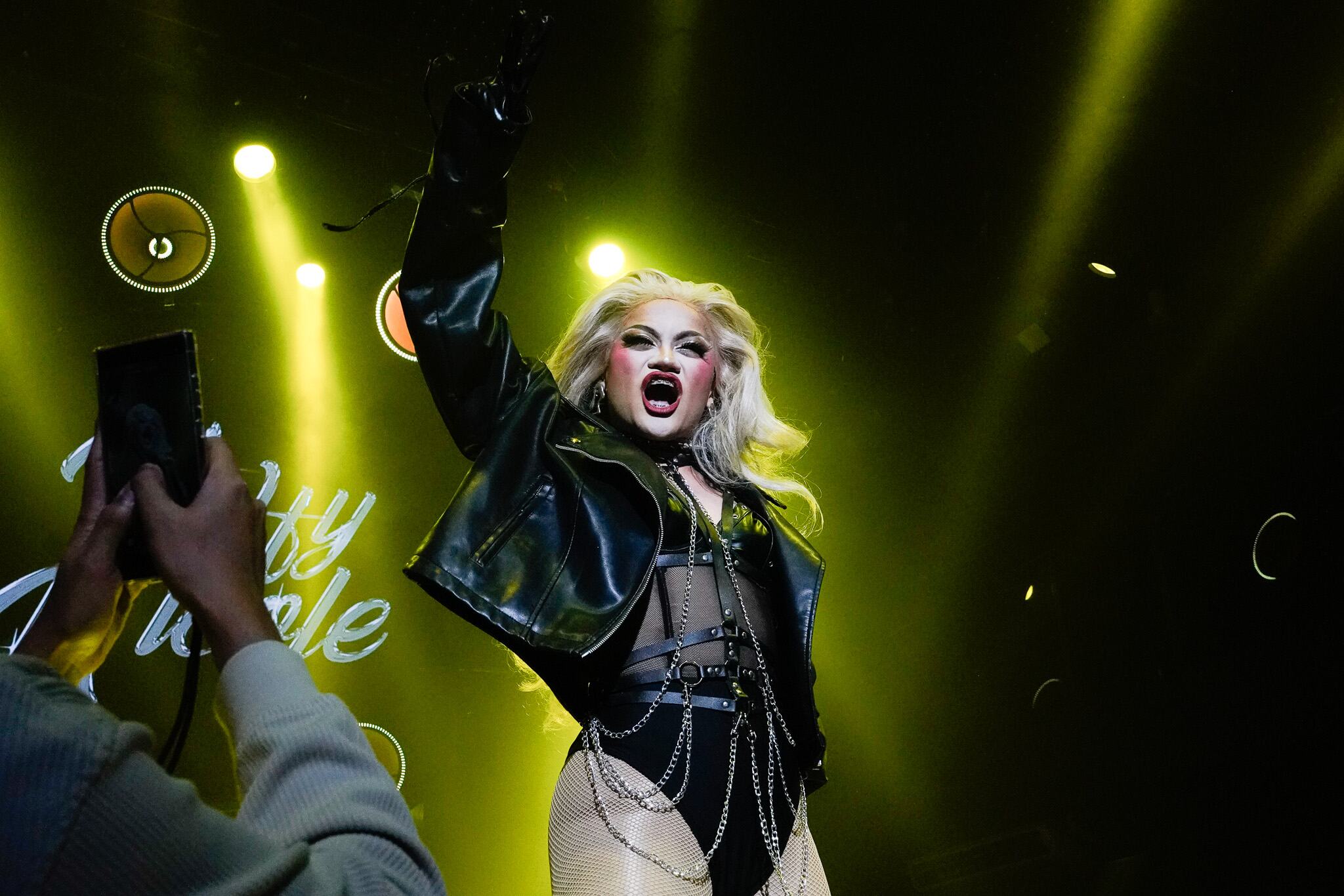
Search about drag on the internet and what immediately pops up are images of queer performers with towering heels and exaggerated makeup. But as an art form evolves, so do the artists who bring it to life. Today, more and more women are stepping onto the stage, proving that drag is not confined to gender but rather a celebration of performance, creativity, and identity.
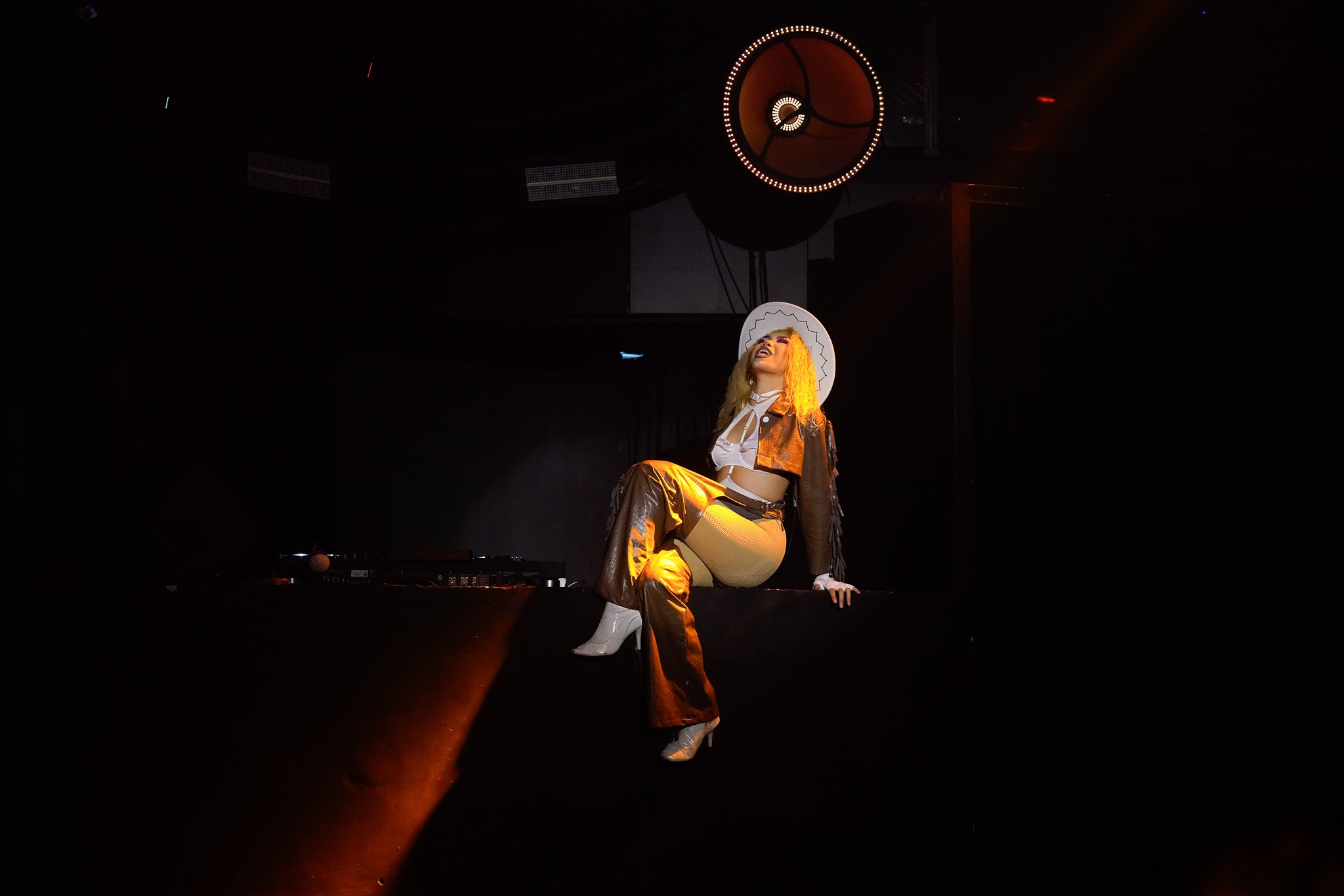
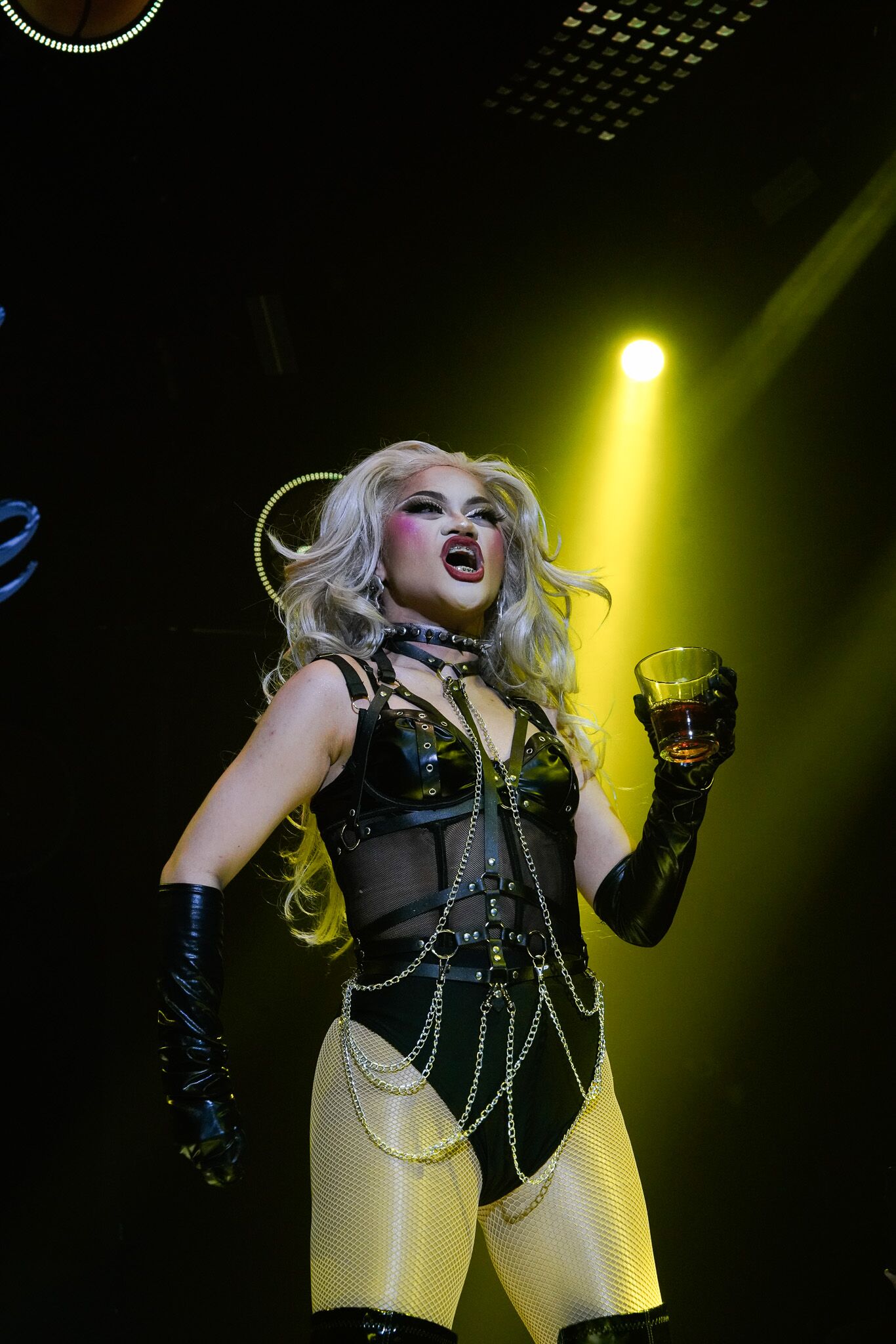
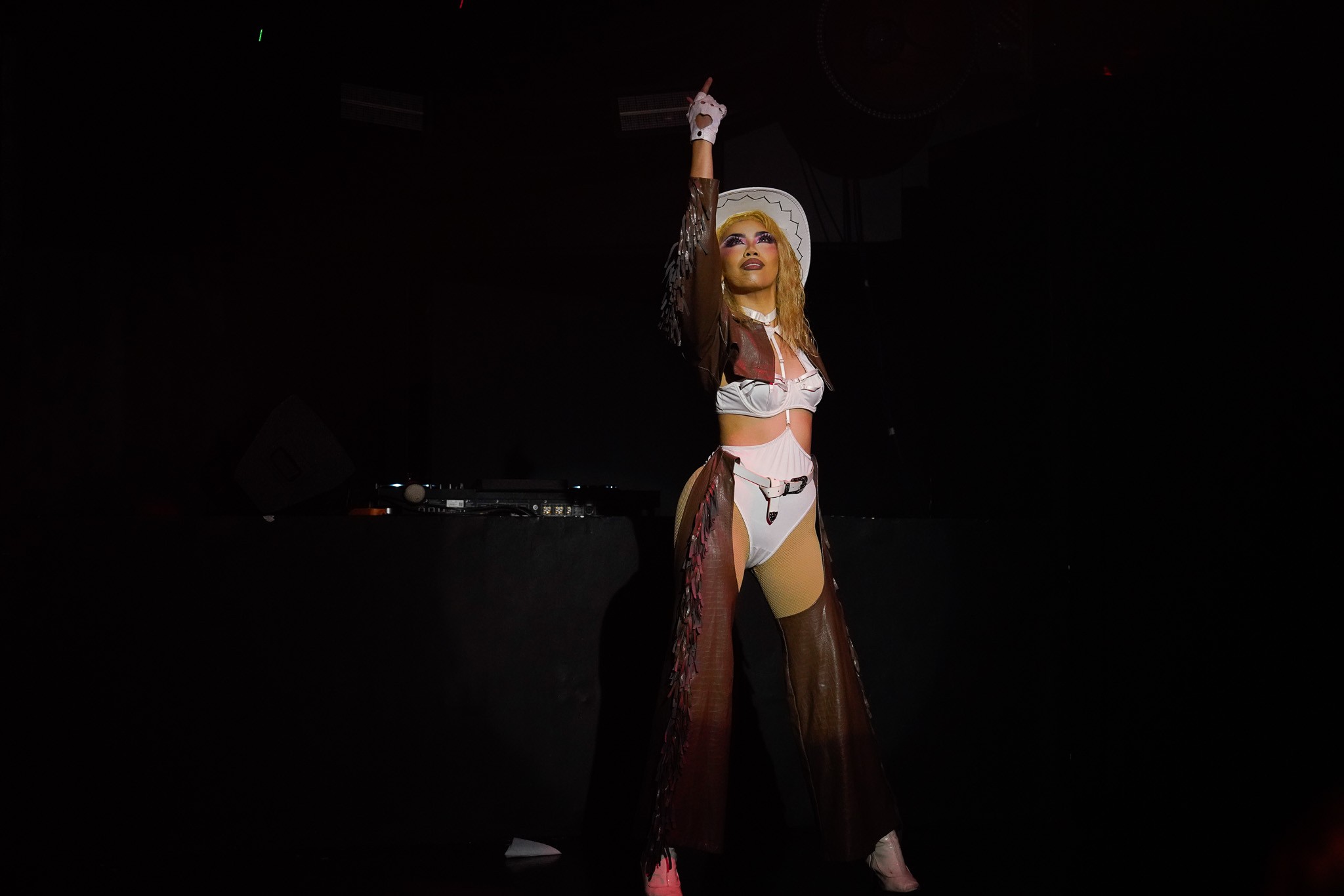
We got the chance to have a chat with two up and coming drag queens, Ninja and Kiffy Nicole who are establishing themselves in the local Filipino drag scene. They discussed with us the passion behind their craft and the sacrifices they make in order to thrive in an art form that is constantly expanding and redefining itself.
Discovering Drag: From Spectators to Performers
For Ninja, real name Janine, drag began as admiration. She spent years watching RuPaul’s Drag Race. It was all admiration until the debut of Drag Race Philippines and the rise in online popularity of drag trio Precious Paula Nicole, Brigiding, and Vinas Deluxe known as the Divine Divas. A single gifted drag show ticket opened up a new world for her.
She started to attend drag shows regularly until a fellow drag queen convinced her to try drag even though she was a biological female.
Kiffy, real name Samantha’s story, is different but just as heartfelt. A lifelong performer with a passion for dancing, her only exposure to drag was Drag Race until she met local queens who told her that women can do drag too.
“Ever since I was a child, gusto ko talagang maging performer,” she says. “Before drag, I was a dancer.”
The Two Families of Drag
Both queens describe family as central to their journey, albeit in different ways.
For Ninja, family is rooted in comfort.
“When you’re in a dressing room, that’s technically your home. You need to feel a certain type of ‘homeness’ para maging comfortable sa stage, with co-workers, building relationships.”
In her eyes, her drag family isn’t just a group of fellow performers. It’s the environment that allows her to flourish.
Kiffy sees biological family and drag family as separate but equally shaping forces. Her biological family forms her support system, while her drag family is a blessing. A place where she finds acceptance and like minded creative people.
But her journey wasn’t easy. “Nung nagsisimula palang ako, hindi nila masyadong tanggap yung ginagawa ko,” she shares.
Being one of the earliest bio-queens in her area meant navigating unfamiliar territory both for herself and for her family.
What They Sacrifice for Drag
Behind every show is a sacrifice.
For Ninja, the biggest challenge is balancing drag with academics.
“I’m still a student. It’s difficult to be a student and a full-time drag queen… I can’t f*** up my grades.”
She also misses spending time with her biological family, constantly juggling two demanding worlds.
For Kiffy, the sacrifices are more emotional.
“Lumayo ako sa family ko,” she says. And early on, her family questioned her path: “They thought drag wasn’t right for me since babae daw po ako.” On top of that, she faces the mental weight of criticism: “As artists, hindi puro positive maririnig mo.”
Their sacrifices show that drag is more than wigs and makeup — it is a career, a calling, and in many ways, a test of perseverance.
Redefining Drag, One Woman at a Time
Words by Sean Wong
Images by Jannah Ricafort
Ninja and Kiffy stand as proof that drag is not confined to any gender. Their artistry expands what drag can look like and who is allowed to participate in it. By stepping on stage, they challenge misconceptions that drag is only for men, that femininity has limits, and that women cannot push boundaries within the art.
Their stories show families and the world that drag is not about gender identity, but about expression, community, and creative freedom. As more bio-queens emerge, the drag scene grows richer, more diverse, and more reflective of those who deeply love the art.
She can drag too and drag brilliantly at that.



FROM THEATRE TO TELEVISION:
A HISTORICAL TIMELINE OF DRAG
Search about drag on the internet and what immediately pops up are images of queer performers with towering heels and exaggerated makeup. But as an art form evolves, so do the artists who bring it to life. Today, more and more women are stepping onto the stage, proving that drag is not confined to gender but rather a celebration of performance, creativity, and identity.
We got the chance to have a chat with two up and coming drag queens, Ninja and Kiffy Nicole who are establishing themselves in the local Filipino drag scene. They discussed with us the passion behind their craft and the sacrifices they make in order to thrive in an art form that is constantly expanding and redefining itself.
Discovering Drag: From Spectators to Performers
For Ninja, real name Janine, drag began as admiration. She spent years watching RuPaul’s Drag Race. It was all admiration until the debut of Drag Race Philippines and the rise in online popularity of drag trio Precious Paula Nicole, Brigiding, and Vinas Deluxe known as the Divine Divas. A single gifted drag show ticket opened up a new world for her.
She started to attend drag shows regularly until a fellow drag queen convinced her to try drag even though she was a biological female.
Kiffy, real name Samantha’s story, is different but just as heartfelt. A lifelong performer with a passion for dancing, her only exposure to drag was Drag Race until she met local queens who told her that women can do drag too.
“Ever since I was a child, gusto ko talagang maging performer,” she says. “Before drag, I was a dancer.”
The Two Families of Drag
Both queens describe family as central to their journey, albeit in different ways.
For Ninja, family is rooted in comfort.
“When you’re in a dressing room, that’s technically your home. You need to feel a certain type of ‘homeness’ para maging comfortable sa stage, with co-workers, building relationships.”
In her eyes, her drag family isn’t just a group of fellow performers. It’s the environment that allows her to flourish.
Kiffy sees biological family and drag family as separate but equally shaping forces. Her biological family forms her support system, while her drag family is a blessing. A place where she finds acceptance and like minded creative people.
But her journey wasn’t easy. “Nung nagsisimula palang ako, hindi nila masyadong tanggap yung ginagawa ko,” she shares.
Being one of the earliest bio-queens in her area meant navigating unfamiliar territory both for herself and for her family.
What They Sacrifice for Drag
Behind every show is a sacrifice.
For Ninja, the biggest challenge is balancing drag with academics.
“I’m still a student. It’s difficult to be a student and a full-time drag queen… I can’t f*** up my grades.”
She also misses spending time with her biological family, constantly juggling two demanding worlds.
For Kiffy, the sacrifices are more emotional.
“Lumayo ako sa family ko,” she says. And early on, her family questioned her path: “They thought drag wasn’t right for me since babae daw po ako.” On top of that, she faces the mental weight of criticism: “As artists, hindi puro positive maririnig mo.”
Their sacrifices show that drag is more than wigs and makeup — it is a career, a calling, and in many ways, a test of perseverance.
Redefining Drag, One Woman at a Time
Words by Sean Wong
Images by Jannah Ricafort
Ninja and Kiffy stand as proof that drag is not confined to any gender. Their artistry expands what drag can look like and who is allowed to participate in it. By stepping on stage, they challenge misconceptions that drag is only for men, that femininity has limits, and that women cannot push boundaries within the art.
Their stories show families and the world that drag is not about gender identity, but about expression, community, and creative freedom. As more bio-queens emerge, the drag scene grows richer, more diverse, and more reflective of those who deeply love the art.
She can drag too and drag brilliantly at that.


FROM THEATRE TO TELEVISION:
A HISTORICAL TIMELINE OF DRAG
Search about drag on the internet and what immediately pops up are images of queer performers with towering heels and exaggerated makeup. But as an art form evolves, so do the artists who bring it to life. Today, more and more women are stepping onto the stage, proving that drag is not confined to gender but rather a celebration of performance, creativity, and identity.
We got the chance to have a chat with two up and coming drag queens, Ninja and Kiffy Nicole who are establishing themselves in the local Filipino drag scene. They discussed with us the passion behind their craft and the sacrifices they make in order to thrive in an art form that is constantly expanding and redefining itself.
Discovering Drag: From Spectators to Performers
For Ninja, real name Janine, drag began as admiration. She spent years watching RuPaul’s Drag Race. It was all admiration until the debut of Drag Race Philippines and the rise in online popularity of drag trio Precious Paula Nicole, Brigiding, and Vinas Deluxe known as the Divine Divas. A single gifted drag show ticket opened up a new world for her.
She started to attend drag shows regularly until a fellow drag queen convinced her to try drag even though she was a biological female.
Kiffy, real name Samantha’s story, is different but just as heartfelt. A lifelong performer with a passion for dancing, her only exposure to drag was Drag Race until she met local queens who told her that women can do drag too.
“Ever since I was a child, gusto ko talagang maging performer,” she says. “Before drag, I was a dancer.”
The Two Families of Drag
Both queens describe family as central to their journey, albeit in different ways.
For Ninja, family is rooted in comfort.
“When you’re in a dressing room, that’s technically your home. You need to feel a certain type of ‘homeness’ para maging comfortable sa stage, with co-workers, building relationships.”
In her eyes, her drag family isn’t just a group of fellow performers. It’s the environment that allows her to flourish.
Kiffy sees biological family and drag family as separate but equally shaping forces. Her biological family forms her support system, while her drag family is a blessing. A place where she finds acceptance and like minded creative people.
But her journey wasn’t easy. “Nung nagsisimula palang ako, hindi nila masyadong tanggap yung ginagawa ko,” she shares.
Being one of the earliest bio-queens in her area meant navigating unfamiliar territory both for herself and for her family.
What They Sacrifice for Drag
Behind every show is a sacrifice.
For Ninja, the biggest challenge is balancing drag with academics.
“I’m still a student. It’s difficult to be a student and a full-time drag queen… I can’t f*** up my grades.”
She also misses spending time with her biological family, constantly juggling two demanding worlds.
For Kiffy, the sacrifices are more emotional.
“Lumayo ako sa family ko,” she says. And early on, her family questioned her path: “They thought drag wasn’t right for me since babae daw po ako.” On top of that, she faces the mental weight of criticism: “As artists, hindi puro positive maririnig mo.”
Their sacrifices show that drag is more than wigs and makeup — it is a career, a calling, and in many ways, a test of perseverance.
Redefining Drag, One Woman at a Time
Words by Sean Wong
Images by Jannah Ricafort
Ninja and Kiffy stand as proof that drag is not confined to any gender. Their artistry expands what drag can look like and who is allowed to participate in it. By stepping on stage, they challenge misconceptions that drag is only for men, that femininity has limits, and that women cannot push boundaries within the art.
Their stories show families and the world that drag is not about gender identity, but about expression, community, and creative freedom. As more bio-queens emerge, the drag scene grows richer, more diverse, and more reflective of those who deeply love the art.
She can drag too and drag brilliantly at that.


FROM THEATRE TO TELEVISION:
A HISTORICAL TIMELINE OF DRAG
Search about drag on the internet and what immediately pops up are images of queer performers with towering heels and exaggerated makeup. But as an art form evolves, so do the artists who bring it to life. Today, more and more women are stepping onto the stage, proving that drag is not confined to gender but rather a celebration of performance, creativity, and identity.
We got the chance to have a chat with two up and coming drag queens, Ninja and Kiffy Nicole who are establishing themselves in the local Filipino drag scene. They discussed with us the passion behind their craft and the sacrifices they make in order to thrive in an art form that is constantly expanding and redefining itself.
Discovering Drag: From Spectators to Performers
For Ninja, real name Janine, drag began as admiration. She spent years watching RuPaul’s Drag Race. It was all admiration until the debut of Drag Race Philippines and the rise in online popularity of drag trio Precious Paula Nicole, Brigiding, and Vinas Deluxe known as the Divine Divas. A single gifted drag show ticket opened up a new world for her.
She started to attend drag shows regularly until a fellow drag queen convinced her to try drag even though she was a biological female.
Kiffy, real name Samantha’s story, is different but just as heartfelt. A lifelong performer with a passion for dancing, her only exposure to drag was Drag Race until she met local queens who told her that women can do drag too.
“Ever since I was a child, gusto ko talagang maging performer,” she says. “Before drag, I was a dancer.”
The Two Families of Drag
Both queens describe family as central to their journey, albeit in different ways.
For Ninja, family is rooted in comfort.
“When you’re in a dressing room, that’s technically your home. You need to feel a certain type of ‘homeness’ para maging comfortable sa stage, with co-workers, building relationships.”
In her eyes, her drag family isn’t just a group of fellow performers. It’s the environment that allows her to flourish.
Kiffy sees biological family and drag family as separate but equally shaping forces. Her biological family forms her support system, while her drag family is a blessing. A place where she finds acceptance and like minded creative people.
But her journey wasn’t easy. “Nung nagsisimula palang ako, hindi nila masyadong tanggap yung ginagawa ko,” she shares.
Being one of the earliest bio-queens in her area meant navigating unfamiliar territory both for herself and for her family.
What They Sacrifice for Drag
Behind every show is a sacrifice.
For Ninja, the biggest challenge is balancing drag with academics.
“I’m still a student. It’s difficult to be a student and a full-time drag queen… I can’t f*** up my grades.”
She also misses spending time with her biological family, constantly juggling two demanding worlds.
For Kiffy, the sacrifices are more emotional.
“Lumayo ako sa family ko,” she says. And early on, her family questioned her path: “They thought drag wasn’t right for me since babae daw po ako.” On top of that, she faces the mental weight of criticism: “As artists, hindi puro positive maririnig mo.”
Their sacrifices show that drag is more than wigs and makeup — it is a career, a calling, and in many ways, a test of perseverance.
Redefining Drag, One Woman at a Time
Words by Sean Wong
Images by Jannah Ricafort
Ninja and Kiffy stand as proof that drag is not confined to any gender. Their artistry expands what drag can look like and who is allowed to participate in it. By stepping on stage, they challenge misconceptions that drag is only for men, that femininity has limits, and that women cannot push boundaries within the art.
Their stories show families and the world that drag is not about gender identity, but about expression, community, and creative freedom. As more bio-queens emerge, the drag scene grows richer, more diverse, and more reflective of those who deeply love the art.
She can drag too and drag brilliantly at that.

